Welcome to Our Company


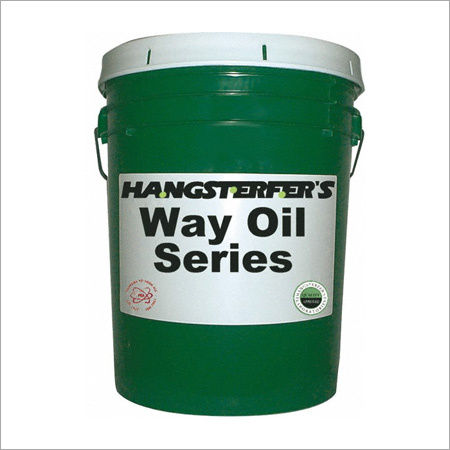
Cutting Oils
260 INR/Liter
Product Details:
- Chemical Composition Mineral base oil with additives
- Use CNC, lathe, milling, drilling, and grinding machinery
- Water Content Vol% Max 0.2%
- Packaging Type Plastic and Metal Containers
- Type Cutting Oil
- Viscosity 32 cSt at 40°C
- Density 0.85 Gram per cubic centimeter(g/cm3)
- Click to View more
X
Cutting Oils Price And Quantity
- 20 Liter
- 260 INR/Liter
Cutting Oils Product Specifications
- Cutting Oil
- Plastic and Metal Containers
- 32 cSt at 40°C
- 0.85 Gram per cubic centimeter(g/cm3)
- Mineral Oil
- Mineral base oil with additives
- Can, Bucket, Drum
- CNC, lathe, milling, drilling, and grinding machinery
- Max 0.2%
- Varies as per pack size
- Light Brown
- Liquid
- 1L, 5L, 10L, 20L, 210L
- Max 0.01%
- Up to 120°C
- Mild Mineral Odor
- Metal Cutting, Machining and Grinding operations
- -6C
- High oxidative stability
- Suitable for ferrous and non-ferrous metals
- Low
- Passes test, minimal effect
- 170C (minimum)
- Chlorine-free
- 8.5
- Less than 0.5%
- Good
- Not readily biodegradable
- Non-toxic under normal conditions
- Low residue
- 2 Years
- Anti-wear, rust and corrosion inhibitors
Cutting Oils Trade Information
- CHENNAI
- Cash Against Delivery (CAD)
- 1 Days
- Within a certain price range free samples are available
- 180kg
- South India
Product Description
We have been serving our respected clients since 2011 by offering them a qualitative range of Cutting Oils. It is a blend of highly refined base oils and some additives that create a strong film that can withstand extreme pressure. It not only increases the life of various cutting tools but also eases the process of cutting. Cutting Oils offered by us are non-chlorinated and high-performance lubricants that are suitable for both ferrous and non-ferrous metals.
Features:
- Promotes excellent finish
- Increases tool life
- Reduces friction and wear
Technical Specifications
| Packaging Size | 20 L |
| Brand | YBI |
| Form | Liquid |
| Packaging Type | Bucket |
High Performance and Durability
This cutting oil is formulated to excel under demanding machining and grinding operations. It keeps tools and workpieces protected with high oxidative stability, an effective anti-wear package, and rust/corrosion inhibitors. Its chlorine-free composition ensures minimal health and environmental hazards, while still providing outstanding cutting performance.
Versatile and Compatible
Engineered for both ferrous and non-ferrous metals, this oil is perfect for a wide array of industrial machines, including CNC, lathe, milling, drilling, and grinding equipment. Its low foaming tendency and low residue formation help maintain cleanliness and efficiency during prolonged usage.
Safe, Reliable, and Easy to Use
Non-toxic under typical conditions with a mild mineral odor, this cutting oil is safe for regular industrial environments. It comes in various container types (plastic cans, buckets, drums) and sizes, allowing flexibility for different operation scales and storage needs. Its shelf life of two years ensures long-term reliability.
FAQs of Cutting Oils:
Q: How should I use this cutting oil for best results in my machinery?
A: For optimal performance, apply the cutting oil directly to the area of the workpiece and tool being machined, ensuring consistent flow to reduce friction and heat. It is suitable for CNC machines, lathes, milling, drilling, and grinding equipment. Regularly monitor oil levels during use and top up as required.Q: What are the benefits of using this cutting oil for metalworking?
A: This cutting oil greatly enhances tool life, improves surface finishes, and reduces operational wear and energy consumption. Its anti-wear, rust, and corrosion inhibitors safeguard machinery, while the low foaming, high oxidative stability, and minimal residue features sustain smooth long-term operations.Q: When should I replace or supplement the cutting oil in my system?
A: It is advisable to supplement or replace the cutting oil whenever you notice a decline in cooling efficiency, increased residue, or after extensive use, as indicated by your machinery manufacturer. Regular maintenance ensures the oil retains its protective and lubricating properties.Q: Where can I store this cutting oil, and what is the recommended packaging?
A: Store the cutting oil in a dry, cool location away from direct sunlight and sources of ignition. Available in 1L, 5L, 10L, 20L, and 210L pack sizes, it comes in sturdy plastic or metal containers, making storage and handling straightforward and safe.Q: What makes this cutting oil compatible with ferrous and non-ferrous metals?
A: Its mineral base formulation and additive package are engineered to protect both ferrous and non-ferrous metals from oxidation, wear, and corrosion. It passes copper corrosion tests with minimal effect, ensuring safety for a wide range of metals.Q: Is this cutting oil safe for operators and environmentally responsible?
A: This product is non-toxic under normal use, with low sulphur content and no chlorine additives, ensuring safety for users. However, it is not readily biodegradable and should be handled and disposed of according to local environmental regulations.Q: What is the process for selecting the right pack size and container type?
A: Select the pack size (1L to 210L) and container type (can, bucket, drum) based on your operational scale, frequency of use, and storage capacity. For frequent industrial applications, larger drums offer better value; for occasional or small-scale use, smaller cans or buckets are practical.Tell us about your requirement

Price:
Quantity
Select Unit
- 50
- 100
- 200
- 250
- 500
- 1000+
Additional detail
Mobile number
Email

Other Products in 'Hangsterfers Oil' category

We want inquires mainly from Tamil Nadu, Kerala, Andhra Pradesh, Pondicherry, Karnataka.
GST : 33ASVPM2212M1ZH
Contact Details

- D.No 339/1, Sundara Gounder Thottam, Sanganoor Road, Jayaprakash Nagar, Ganapathy,Coimbatore - 641006, Tamil Nadu, India
- Phone : 08045479794

- Mr Mohamed (Sales Manager)
- Mobile : 08045479794
 Send Inquiry
 Send SMS
JESCO ENERGY
All Rights Reserved.(Terms of Use)
Developed and Managed by Infocom Network Private Limited.
Developed and Managed by Infocom Network Private Limited.


